
.jpg)
Why does my microphone work in another app but not the browser?
The browser or recording site may lack microphone permission, or the recorder may have selected another input.
Tutorial · September 23, 2026
Fix a silent browser microphone by checking the selected input, site permission, system access, and a short recording before your interview.
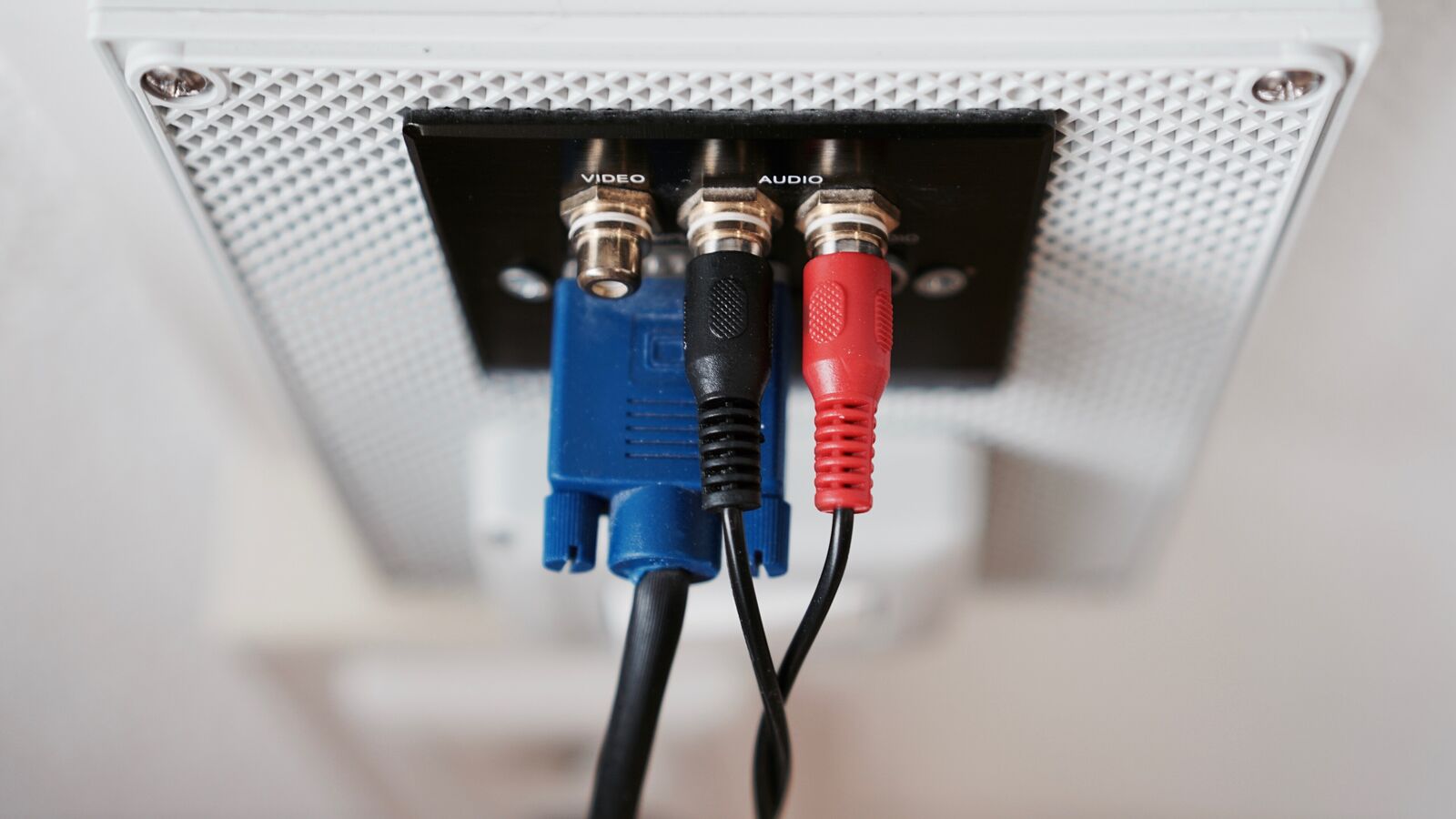
Before changing settings, check whether the microphone works in a local recording application. If it does, the likely problem is browser or site access. If it does not, start with the device, cable, mute switch, and operating-system input. Do this before an interview starts. Avoid reloading a recorder while it is capturing or uploading a session.
| Symptom | First check | Next check |
|---|---|---|
| Microphone missing from the list | Cable, power, and system input list | Reconnect before entering the recording room. |
| Device listed but no level | Hardware mute and selected input | System microphone permission for the browser. |
| Permission denied | Site-specific microphone permission | Workplace policy or system restrictions. |
| Meter moves but guest hears nothing | In-room mute and correct call tab | Guest output and headphone selection. |
Unmute the microphone or headset. If it has a gain control, start at a moderate level. Avoid changing several controls at once.
Check that speaking moves the system input meter. Close another app if it appears to be holding the microphone exclusively.
In system privacy settings, confirm microphone access for the browser. Restart the browser if the system requests it, after any active upload has finished.
Open the site’s permission controls in the browser. Allow microphone access only for the trusted recording site you intend to use.
Return to the recorder’s device selection. Choose the microphone by name and make a short test file.
A webcam, display, Bluetooth headset, and USB microphone can all appear as inputs. A device named “Default” may change when you connect headphones. Choose the intended microphone explicitly, say a sentence, and listen back. Gently moving closer and farther away can help confirm the selected device without tapping the microphone.
Bluetooth devices may change audio mode when their microphone becomes active. For a simpler interview setup, use wired headphones with a separate microphone where available. Do not buy a new device until a local test shows the current one is the problem.
A company policy may disable camera or microphone access, restrict browser permissions, or prevent a supported browser from running. Ask your administrator or use an approved alternative device. Do not disable security controls or install unknown software to get around the policy.
Send the host the exact visible error and the device and browser names. Do not send passwords, private meeting links, or screenshots that expose unrelated work. A short setup call on an approved device is often the fastest way to establish a usable recording path.
The browser or recording site may lack microphone permission, or the recorder may have selected another input.
Not while recording data or an upload may still be stored locally. Finish or recover the session first; start with permissions and input selection.