
.jpg)
Should I send testimonial questions in advance?
Send the topics and one request for a concrete example. Avoid asking customers to learn promotional answers.
Guide · September 23, 2026
Use open-ended video testimonial questions, a twenty-minute interview agenda, and a reusable brief to capture specific customer stories.
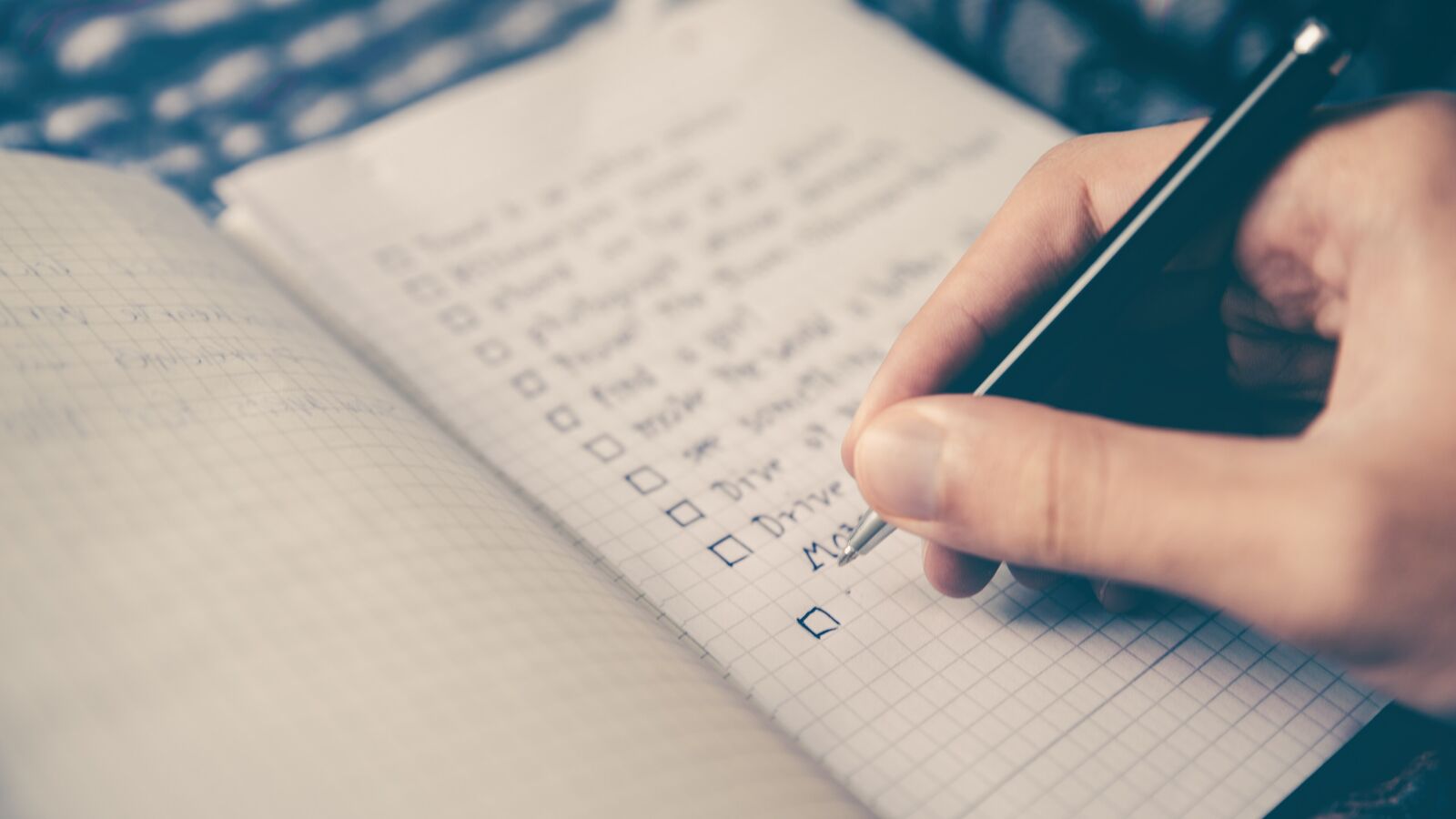
“Would you recommend us?” usually produces a short answer. “Tell me about the last time you used it” gives the customer something concrete to describe. Build your interview around an actual event. Send the topics ahead of time, but avoid writing a flattering script for the customer to recite.
| Part of the story | Question | Follow-up |
|---|---|---|
| Before | How did you handle this task before? | Can you walk me through one example? |
| Decision | What made you look for another approach? | What almost stopped you choosing it? |
| Use | What did you do first? | Who else was involved? |
| Result | What changed in your day-to-day work? | How do you know? |
| Limits | Who would this not suit? | What would you still like to improve? |
Confirm pronunciation, role, the recording purpose, and how the draft will be reviewed. Record a short sound check.
Ask about one task, its consequences, and the reason for looking for a different solution.
Ask for the first useful moment and a concrete example. If the answer is abstract, ask what happened on a particular day.
Clarify the timeframe and source of any result. If a number cannot be verified, use a specific qualitative observation instead.
Ask what you missed, confirm any sensitive points, and explain the next review step. Keep the recording page open until upload finishes.
Purpose: help [audience] understand [decision]. Interviewee: [name and role]. We will discuss [previous workflow], [change], and [specific result]. Please bring one example you can share publicly. You do not need to memorise answers. Planned use: [channels and audience]. Review contact: [person]. We will send [draft or transcript] by [date] for review before publication.
If a customer says the tool saves time, ask which task became shorter and how they compared it. Do not suggest a number. If they mention a team result, distinguish what the product changed from staffing or process changes that happened at the same time.
Leave a pause after the answer; people often add the most useful detail once they have thought for a moment. Ask one question at a time. For an edit that stands alone, invite the speaker to name the topic in the answer, but let them choose the words.
Use the examples guide to choose the story structure, then the recording guide for the technical setup. Airtape provides separate source tracks for a hosted interview; editing, customer approval, and distribution remain part of your production process.
Send the topics and one request for a concrete example. Avoid asking customers to learn promotional answers.
Ask for a specific change in their workflow. Do not turn an estimate into a verified numerical claim.